
Beyond Proof of Work: How Renewables Are Powering the Next Wave of Bitcoin Mining
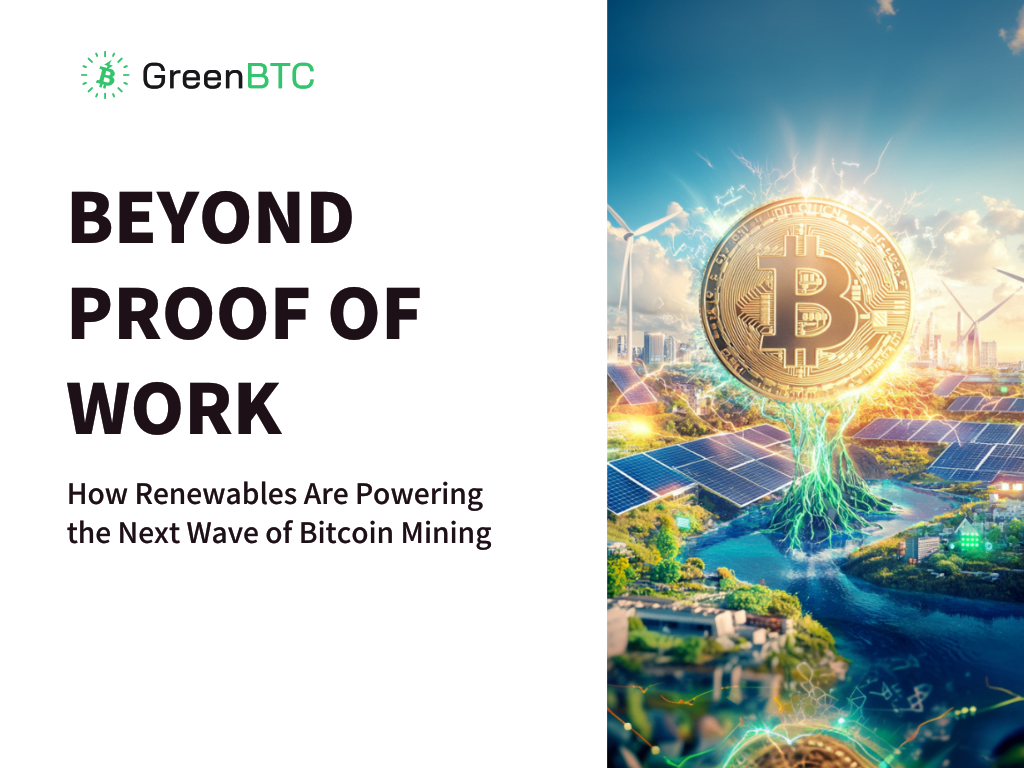
Bitcoin mining has stopped being purely a computational arms race, it is fast becoming a systems engineering problem that spans hardware, markets, grids, and climate. What started as hobbyist rigs in garages has matured into a machine economy where energy strategy defines both profitability and legitimacy. Renewable generation is not a marginal add-on anymore, it is the competitive moat and moral argument that will determine who leads the next chapter of BTC mining.
Why renewables matter for mining economics and legitimacy
- Lower marginal cost of energy, first and foremost. Solar and wind have driven levelized energy costs down across many regions. For miners, energy is not a line item, it is the business model. Every percentage point cheaper power compounds into materially higher margins at scale.
- Fast carbon accounting and better access to capital. Institutions and ESG-sensitive investors demand transparent emissions profiles. Running on renewables materially reduces reported Scope 2 emissions and unlocks financing that legacy fossil-fuel powered operations cannot access.
- Operational resilience. Distributed renewable assets, when combined with storage and smart controls, reduce dependence on a single grid point. That improves uptime and reduces penalties from grid congestion or demand response events.
GreenBTC.Club’s mission is not performative. We design and operate systems where renewables are the economic substrate of sustainable mining, aligning incentives so that decentralization and decarbonization move forward together.
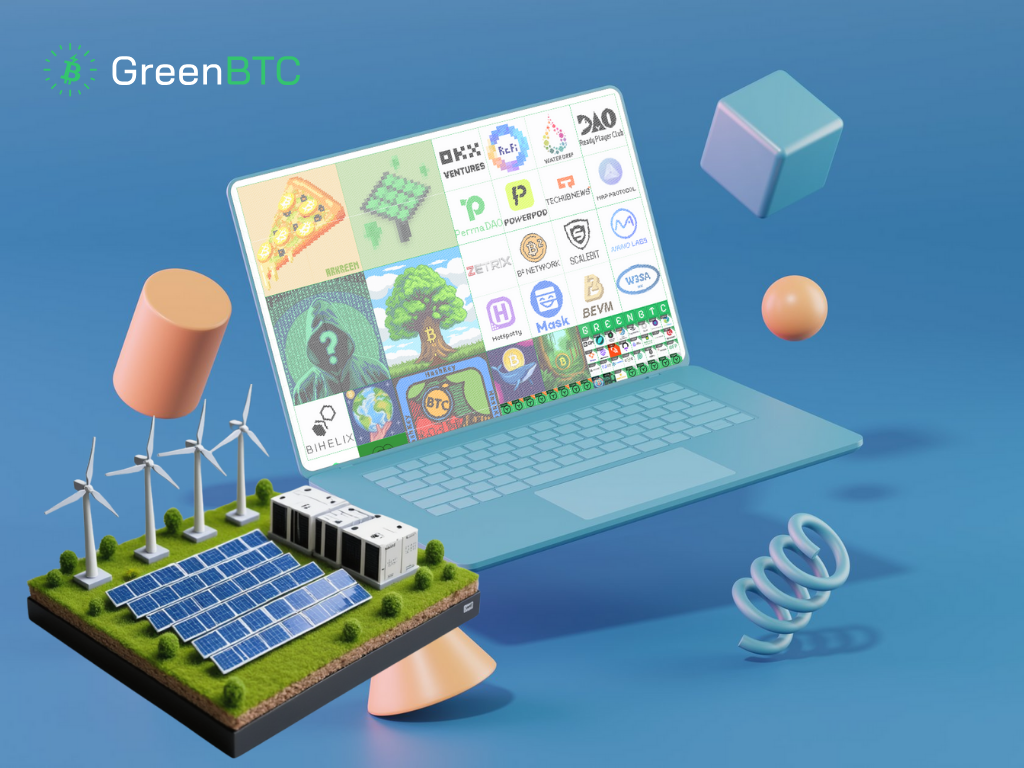
How solar, wind and hydro each change the game
Solar
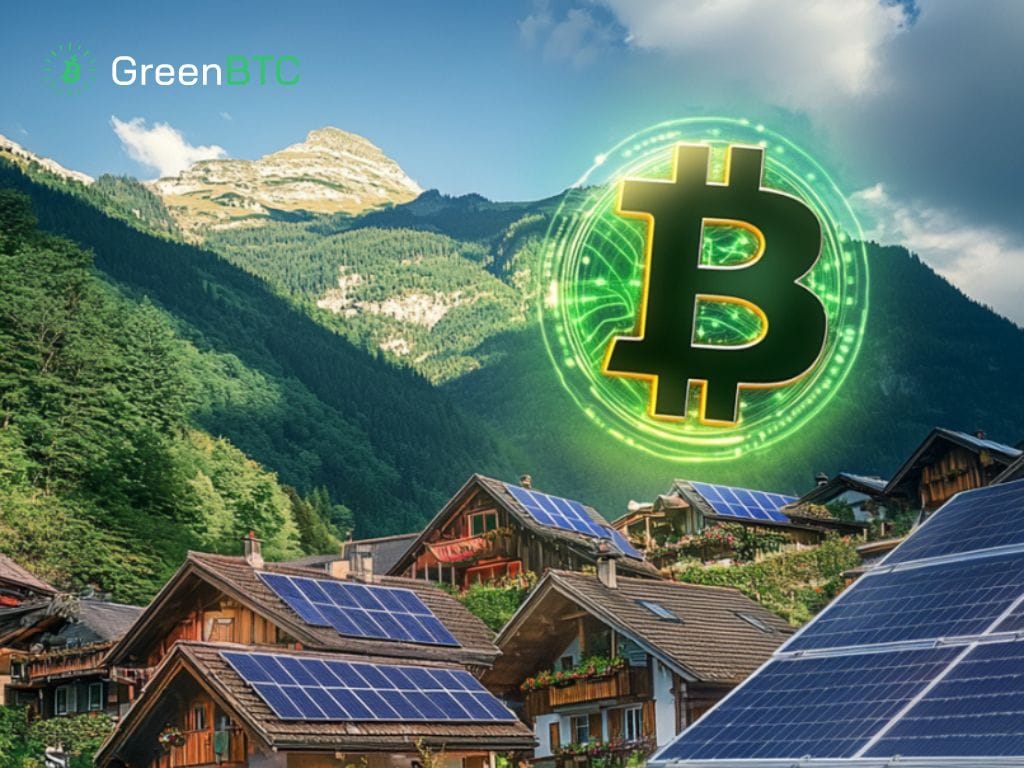
- Predictable daytime production that pairs well with data-center load shaping, onsite battery storage, and time-of-use arbitrage. For distributed residential and commercial miners, rooftop and ground-mounted arrays reduce the delivered cost of electricity and shorten payback periods for mining hardware.
- Widely deployable with rapid build times. Solar can be scaled incrementally, which matches miner capital profiles that prefer modular expansion rather than single large greenfield plants.
Wind
- Higher capacity factors in many geographies, especially onshore and coastal sites. Wind complements solar by producing at different times, smoothing portfolio-level output.
- Larger projects benefit from economies of scale and long-term power purchase agreements that stabilize miner operating costs.
Hydro
- Exceptional baseload characteristics and multi-decade asset lives. Run-of-river and reservoir projects often provide some of the lowest-cost, lowest-carbon power available.
- Hydro sites can anchor large mining operations, especially when paired with modern grid-interactive controls to allow miners to provide grid balancing services.
Each technology has trade-offs: intermittency, site complexity, permitting timelines, and capex. The art of modern mining is assembling technology portfolios that optimize for cost, carbon, and controllability.
What actually changes when miners go green
- Cleaner marginal emissions. Moving from grid-sourced fossil energy to managed renewables with storage reduces the marginal emissions intensity of each BTC minted.
- New revenue streams. Miners become flexible loads that can offer grid services: frequency response, demand shifting, and congestion relief. With the right controls, mining rigs can be a valuable dispatchable resource.
- Improved social license. Local communities and regulators tolerate, even welcome, miners that invest in renewables and help stabilize local grids. That lowers political risk and shortens permitting cycles for future projects.
GreenBTC.Club builds narratives and deployable blueprints so operators can capture those upside effects, not just claim them. We tackled the approach to green historic BTC emissions, and we are already on the path to adopting ongoing mining next.
The technical stack that makes green mining real
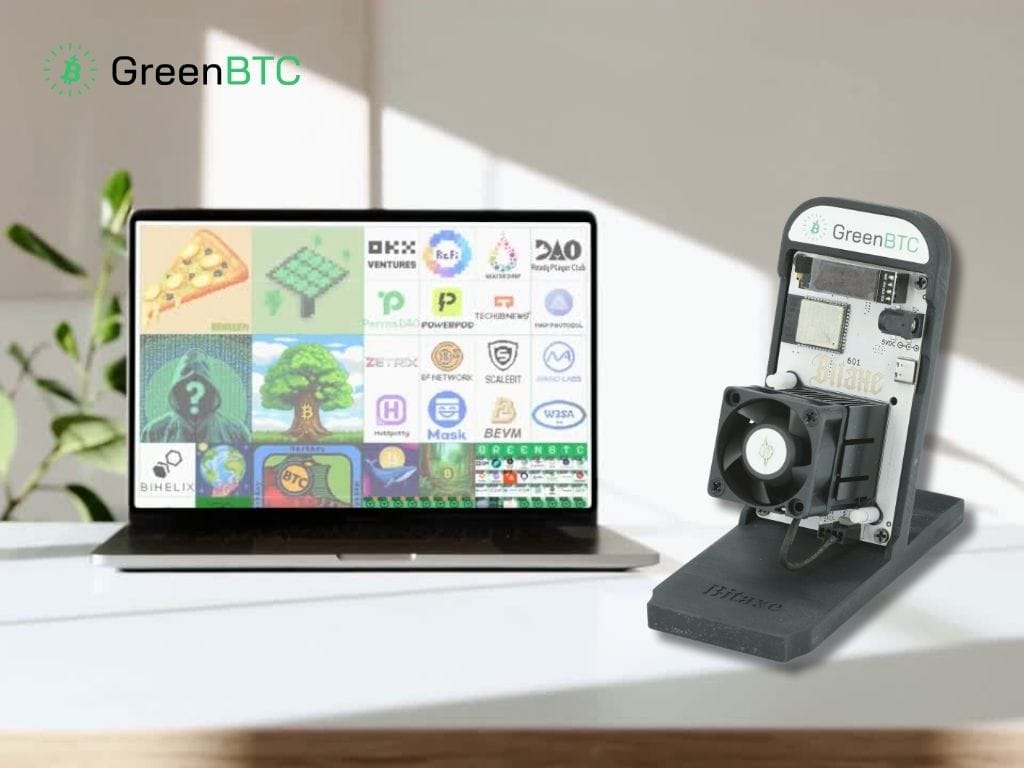
- On-site generation plus storage. Solar or wind paired with batteries allows miners to smooth production and sustain operations through low-generation periods. Architecting for fast ramp and coordinated dispatch is essential.
- Smart orchestration. Edge controllers that integrate weather forecasts, market prices, and ASIC telemetry enable real-time decisions: when to mine, when to curtail, when to sell power back.
- Hybrid grid participation. Mining nodes should be designed to operate in both islanded and grid-connected modes, switching roles from energy consumer to grid resource as markets and grid conditions require.
- Token-aligned incentives. Tokenomics and local micro-market structures can reward miners for providing grid services, co-investment in local generation, or prioritizing low-carbon windows.
These are engineering problems with economic levers. Solve both and you capture the full value of green mining.
Policy, permitting and the institutional lens
Regulation matters. Regions with clear interconnection rules, transparent pricing, and incentives for clean generation will attract capital. Conversely, opaque permitting and hostile narratives push miners to jurisdictions that may not align with broader sustainability goals. Institutional players are also moving the agenda. Banks and insurers now underwrite projects with climate risk assessments. That increases the cost of capital for fossil-heavy operations while making green-first miners more attractive partners. GreenBTC.Club helps navigate these pathways by matching project structures to investor requirements and regulatory realities.
A pragmatic roadmap for operators
- Start with the energy stack, not the ASIC. Design around generation, storage, and flexibility first, then optimize compute.
- Aggregate complementary resources. Blend solar, wind, hydro, and storage to smooth output and reduce downtime risk.
- Instrument everything. Fine-grained telemetry is the foundation of profitable dispatch and credible carbon accounting.
- Build optionality into contracts. Short-term markets, PPA tranches, and token-based incentives let you adapt to volatility.
- Localize impact. Partner with communities and grid operators so your deployments improve grid resilience and earn social license.
GreenBTC.Club provides turn-key guidance and collaboration frameworks to move operators down this pragmatic path.
Conclusion and the mission ahead
Mining that treats energy as an afterthought is a dying model. The future belongs to operators who design for clean energy, grid services, and transparent carbon outcomes. For those who get it right, mining becomes not merely a way to secure a digital ledger, but an engine for local renewable investment and grid modernization.GreenBTC.Club exists to operationalize that thesis, turning conceptual alignment into deployed projects and verifiable outcomes. If you are an operator, investor, or policy maker serious about the next wave of Bitcoin mining, the strategic choice is clear: prioritize renewables, codify flexibility, and measure impact. For teams that want to build end-to-end green mining programs, GreenBTC.Club is where the technical rigor meets market pragmatism and token-aligned incentives. Let’s put the economics and the ethics on the same ledger.